 We believe there is a better way
We are passionate about establising a more diplomatic approach to the land and planning process
We work with local authorities to identify location specific need
We work with landowners to deliver the identified need on suitable sites
We provide high quality sustainable developments across the South East
Strategic Land Promotion | Green Belt Exceptions | Bespoke Development

The ‘team’

Rory Anderson Founder – Passion Driven
For the past 20 years, Rory has specialised in securing land and planning for some of the UK’s largest PLC housebuilders such as Crest Nicholson & Bellway Homes. More recently, Rory held the position of Land Director of the Anderson Group, the family business founded by his father 35 years ago. Rory founded Landiplomacy to pursue his passion. Outside of work Rory enjoys spending time with his family and is a keen marathon runner.

Charles Biss The Artist – Emotionally Invested
Charles has over 40 years architectural and planning experience and was co-founder of BB Partnership, a successful architectural practice based in London. Charles is emotionally invested in Landiplomacy in what he sees as a real game changer in the land and planning approach to development. Charles has always been a champion of early community engagement and shares the same values as our founding member Rory, having worked together on many successful enabling development community projects. In his spare time Charles enjoys spending time with family and painting.

Simone Anderson The Accounts Jedi – All Rounder (and the real boss!)
Married mother to 3 beautiful little girls, a trained beauty therapist, hairdresser, accountant, and hands on Mum, there are no such thing as challenges to Simone, especially when you consider she is also married to Rory! Simone is deeply passionate about the Landiplomacy values and was a key part of its creation, providing Rory with support and the courage to go it alone. In the (little) spare time she has, Simone enjoys spending time with family, walking the dogs and travelling.

The ‘results’
Green belt success
Abridge
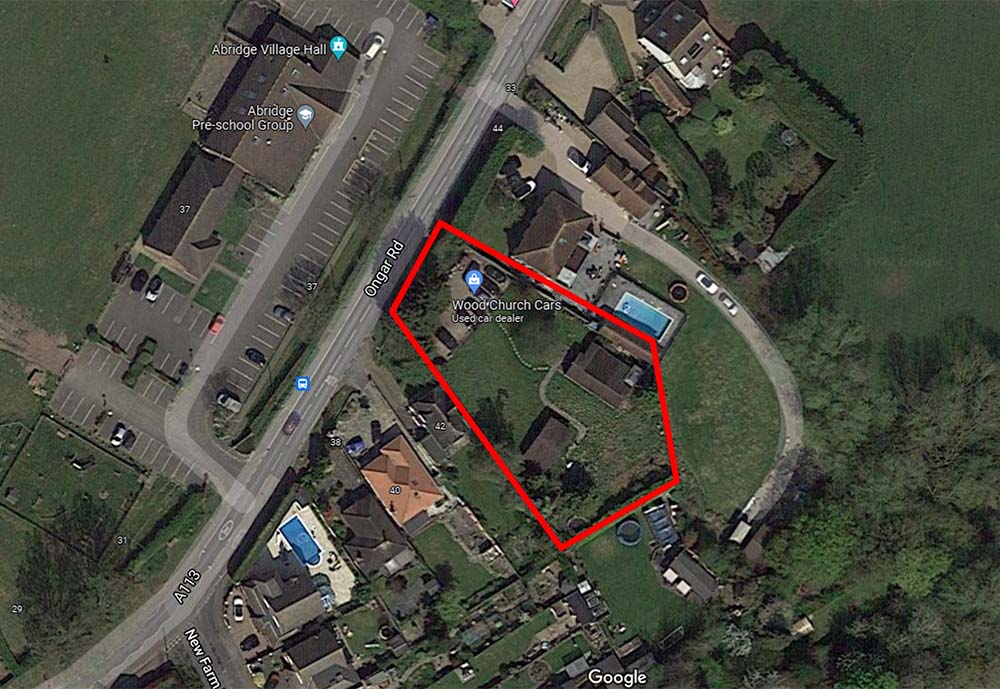
- Client: Private Landowner
- Agreement type: Promotion Agreement
- Constraints: Green Belt
- Strategy: Limited infilling in villages
- Status: Planning approved for 2 x 4 bedroom detached dwellings
Theydon Bois
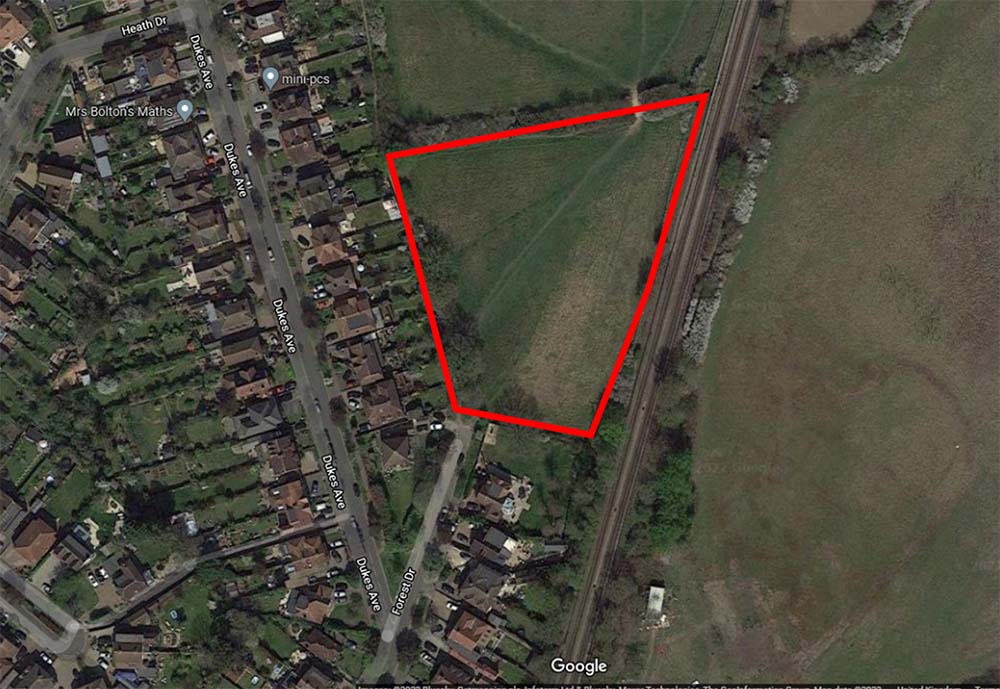
- Client: Anderson Group
- Agreement type: Option Agreement
- Constraints: Green Belt
- Strategy: Local plan promotion
- Status: Allocated in the emerging local plan for 39 units
Blackmore
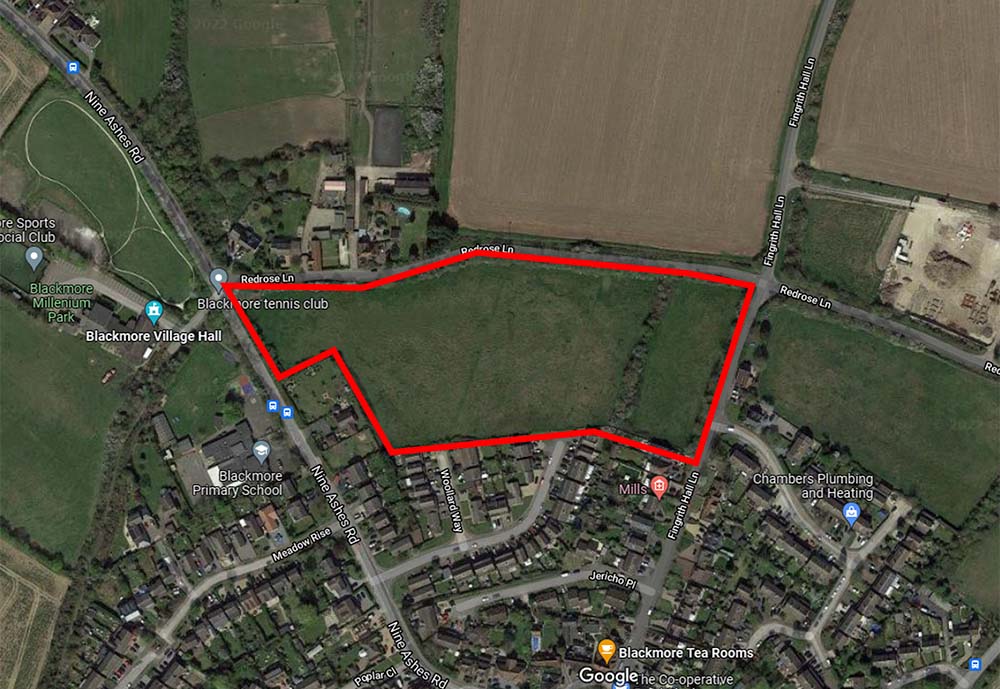
- Client: Anderson Group
- Agreement type: Option Agreement
- Constraints: Green Belt
- Strategy: Local plan promotion
- Status: Allocated in the emerging local plan for 40 units
Uttlesford
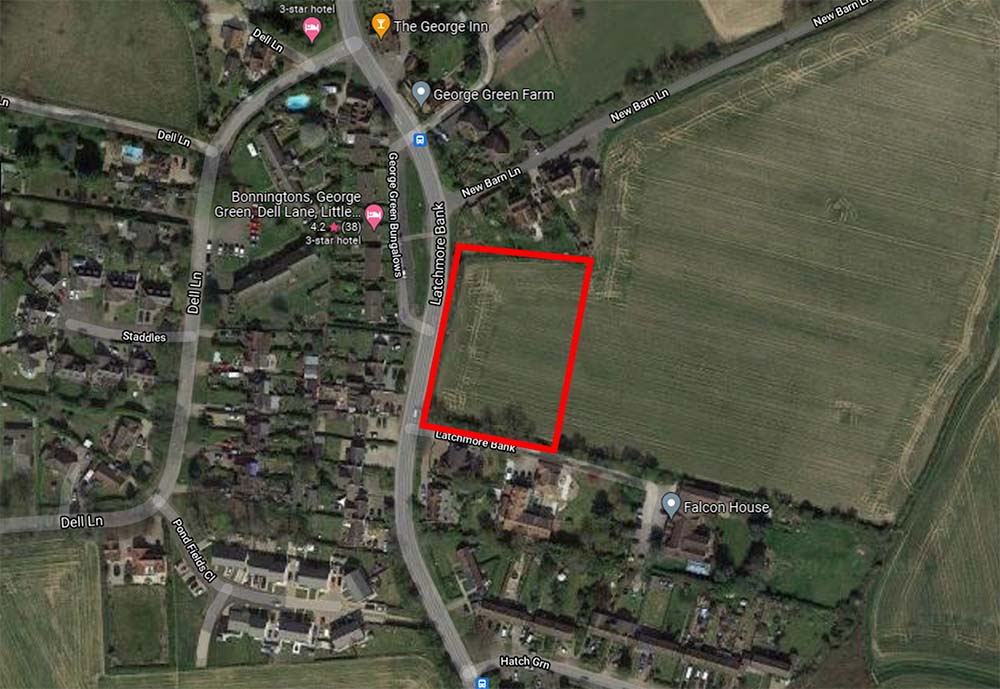
- Client: Private Landowner
- Agreement type: Consultancy
- Constraints: Green Belt
- Strategy: Limited infilling in villages
- Status: Planning approved for 5 x detached dwellings
Brentwood
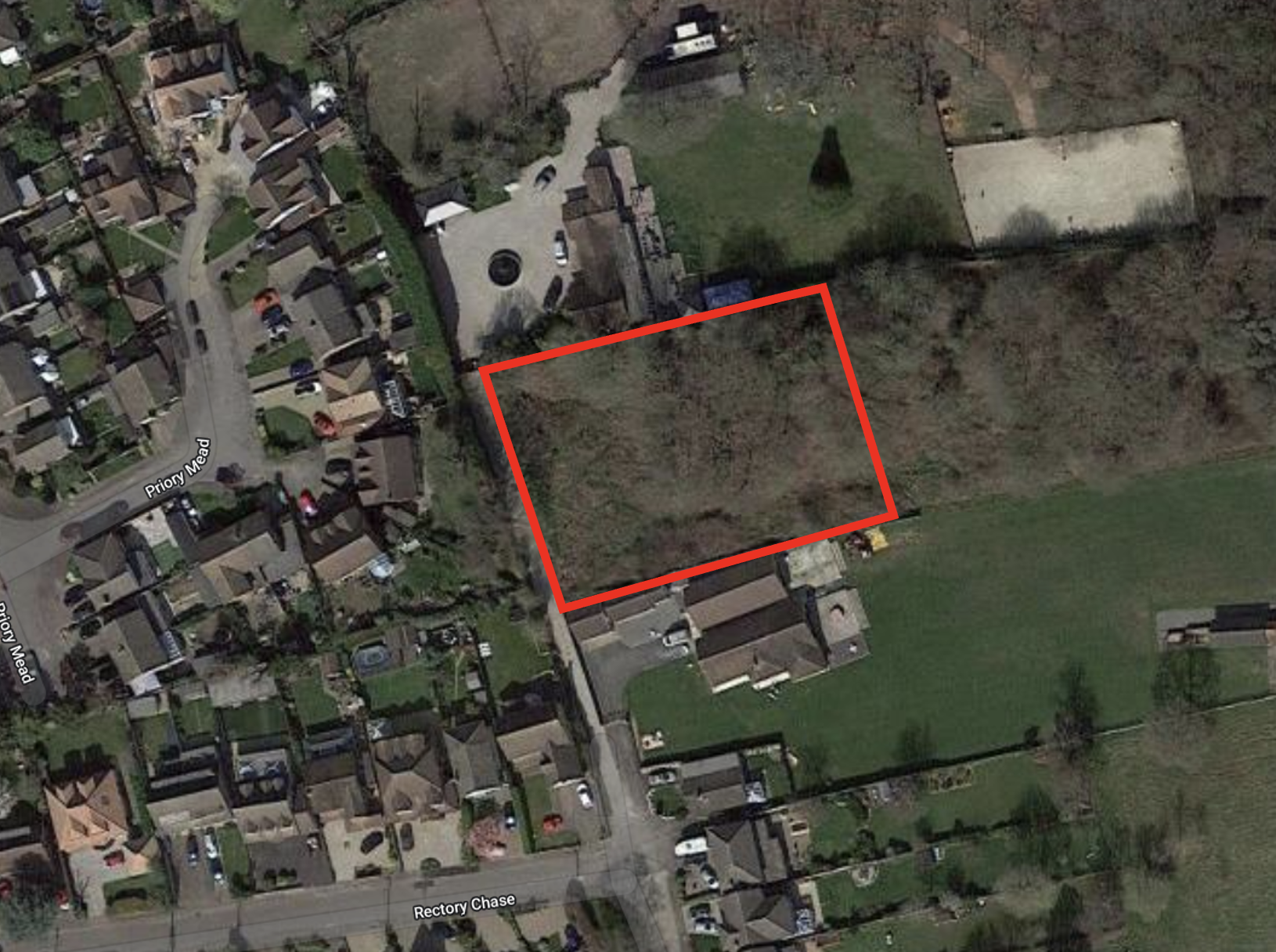
- Client: Private Landowner
- Agreement type: Promotion Agreement
- Constraints: Green Belt
- Strategy: Limited infilling in villages
- Status: Planning approved for detached dwelling of 2,500 sqft
Brownfield Success
Gidea Park, former Care Home
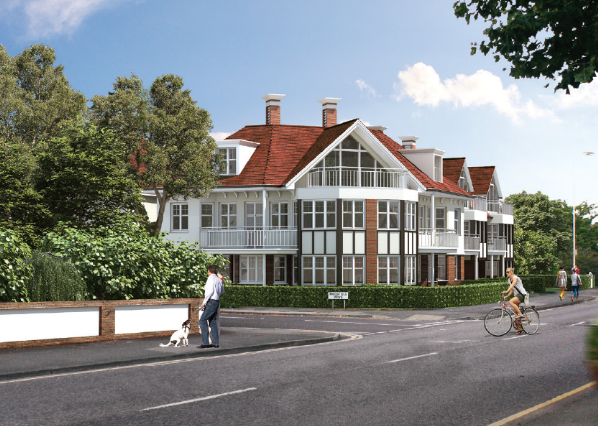
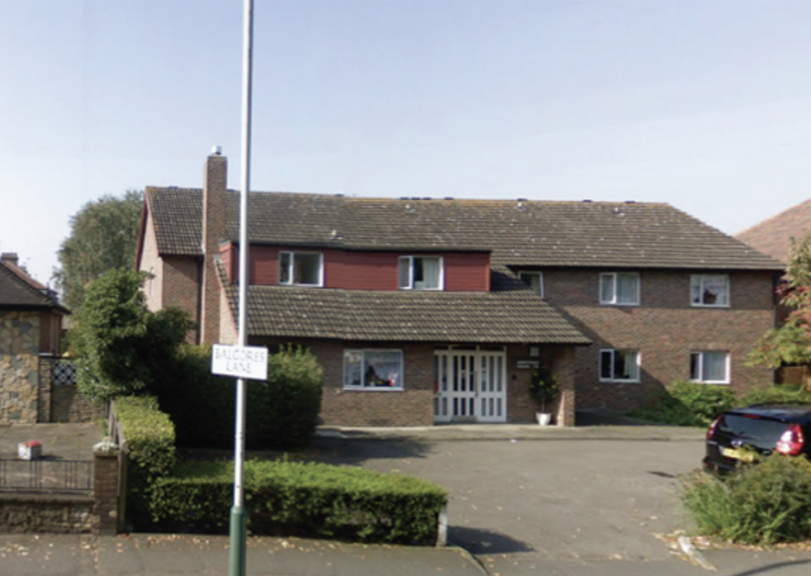
- Before and after images showing completed development
- Number of Units: 14 Private Apartments
- Previous land use: Residential
- Key Constraints: Proximity to neighbouring properties and adjacent to Conservation area
- GDV: £5.6m
Nine Ashes, former agricultural buildings
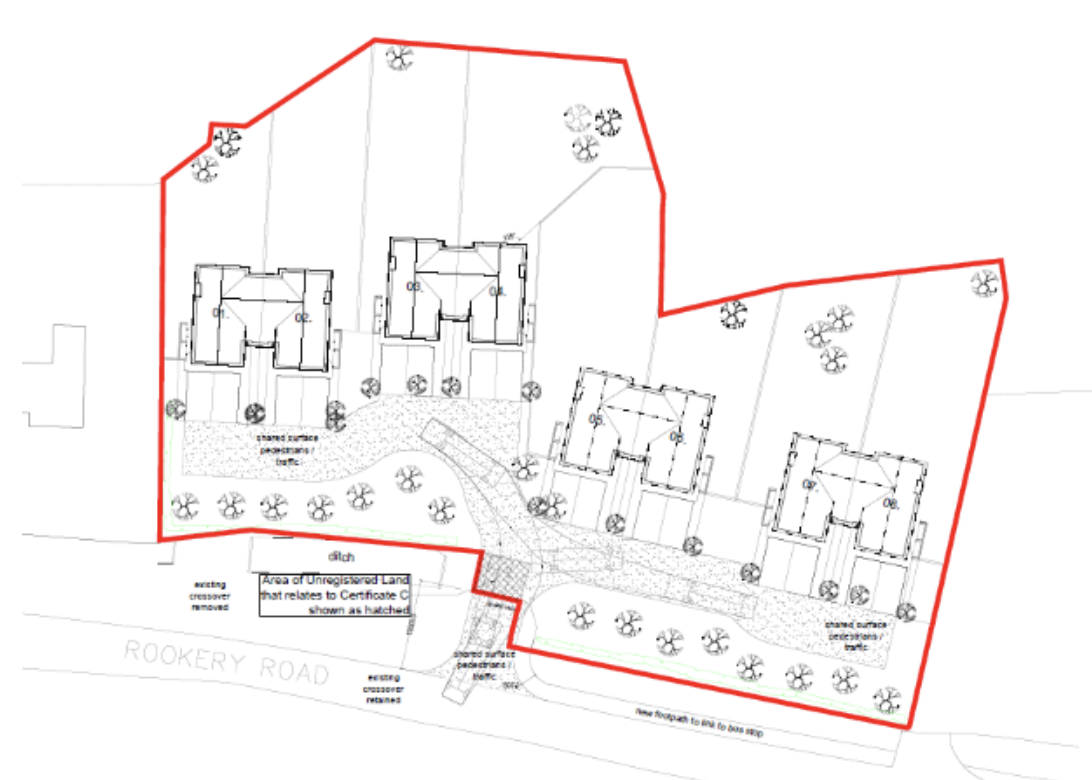
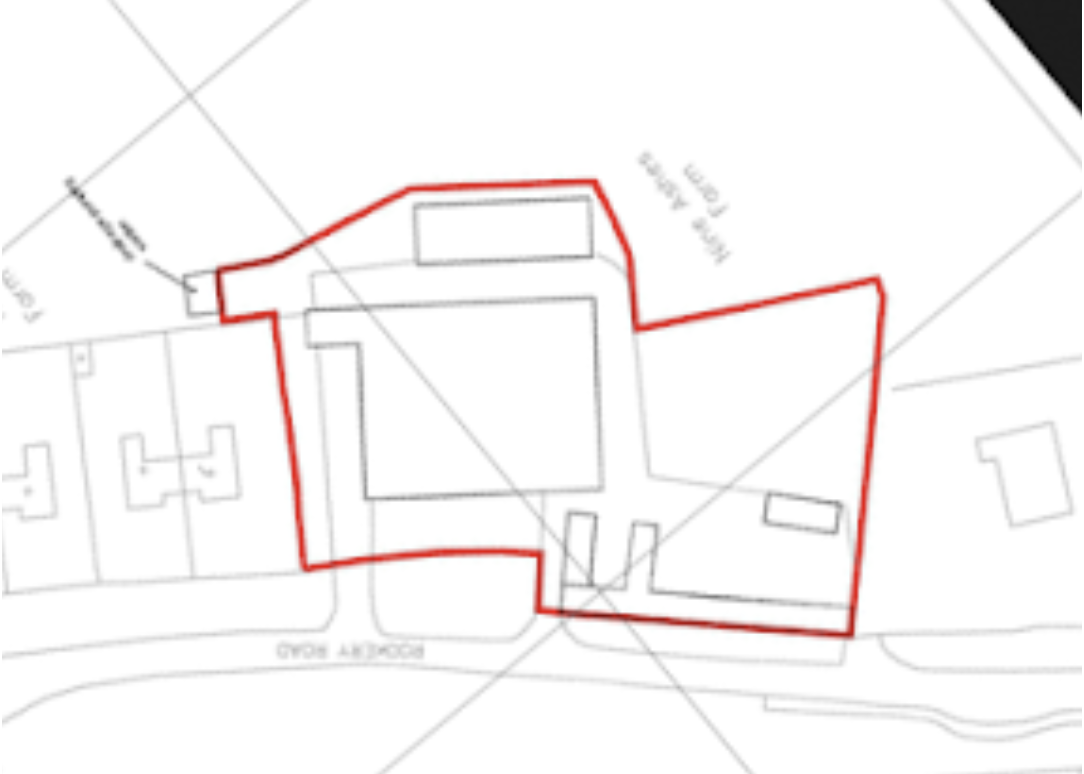
- Number of units: 8 dwellings
- Previous land use: Agricultural buildings
- Key constraints: Change of land use
- GDV: £3.8m
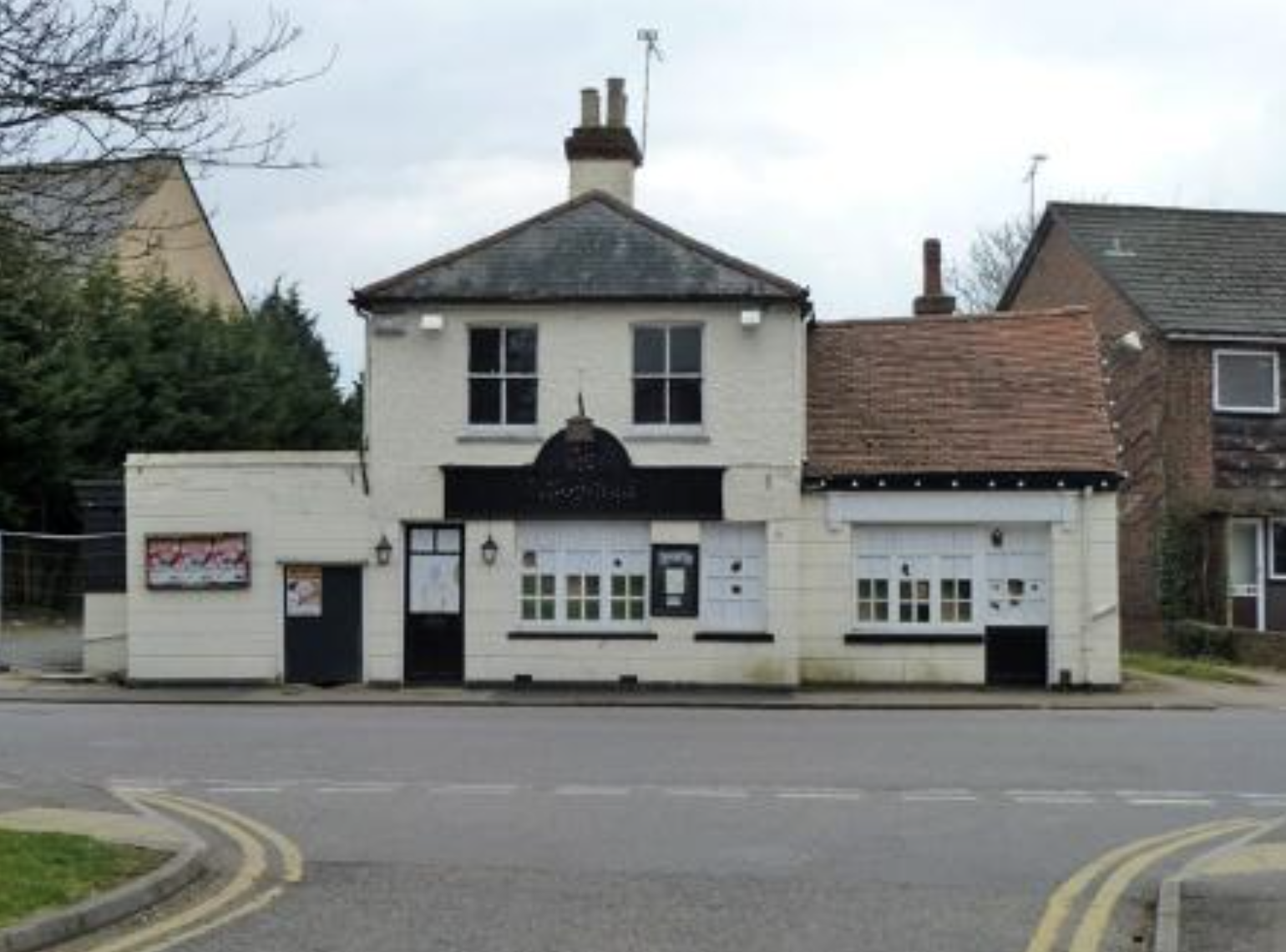
Theydon Bois, former Sixteen String Jack PH
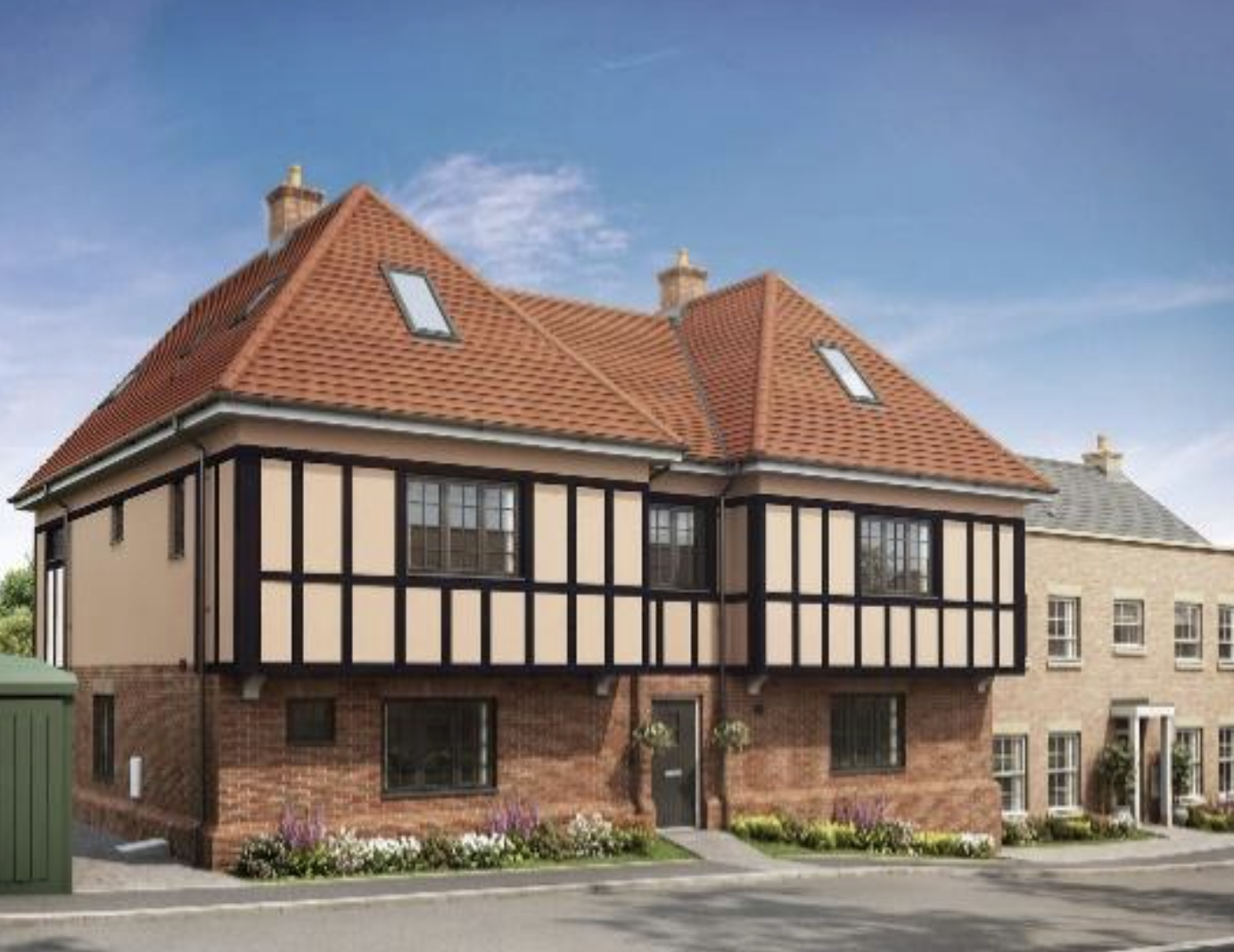
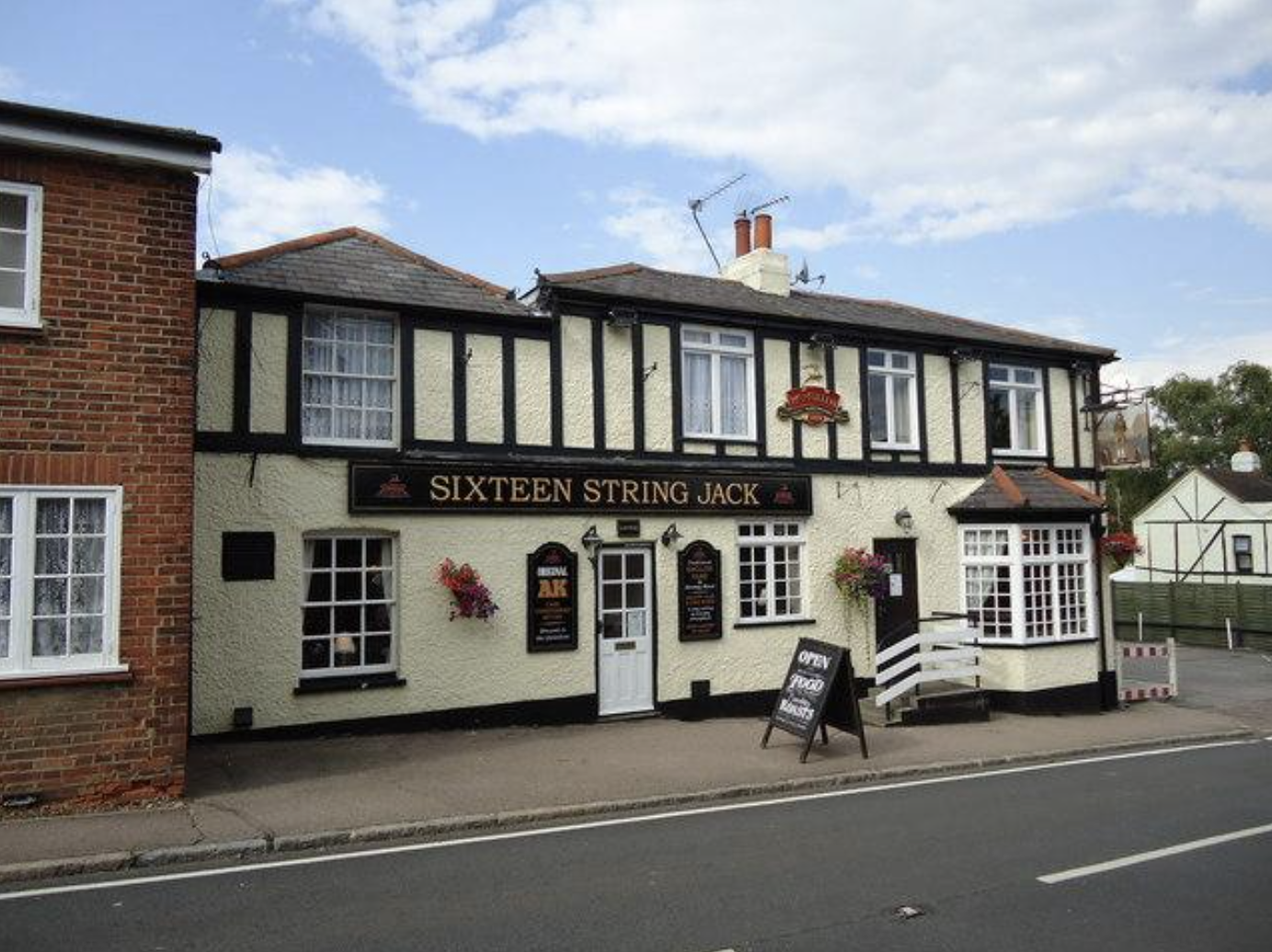
-
- Number of units: 8 private apartments
- Previous land use: Former Public House
- Key constraints: Change of land use
- GDV: £4m
Theydon Bois, former Railway Arms PH
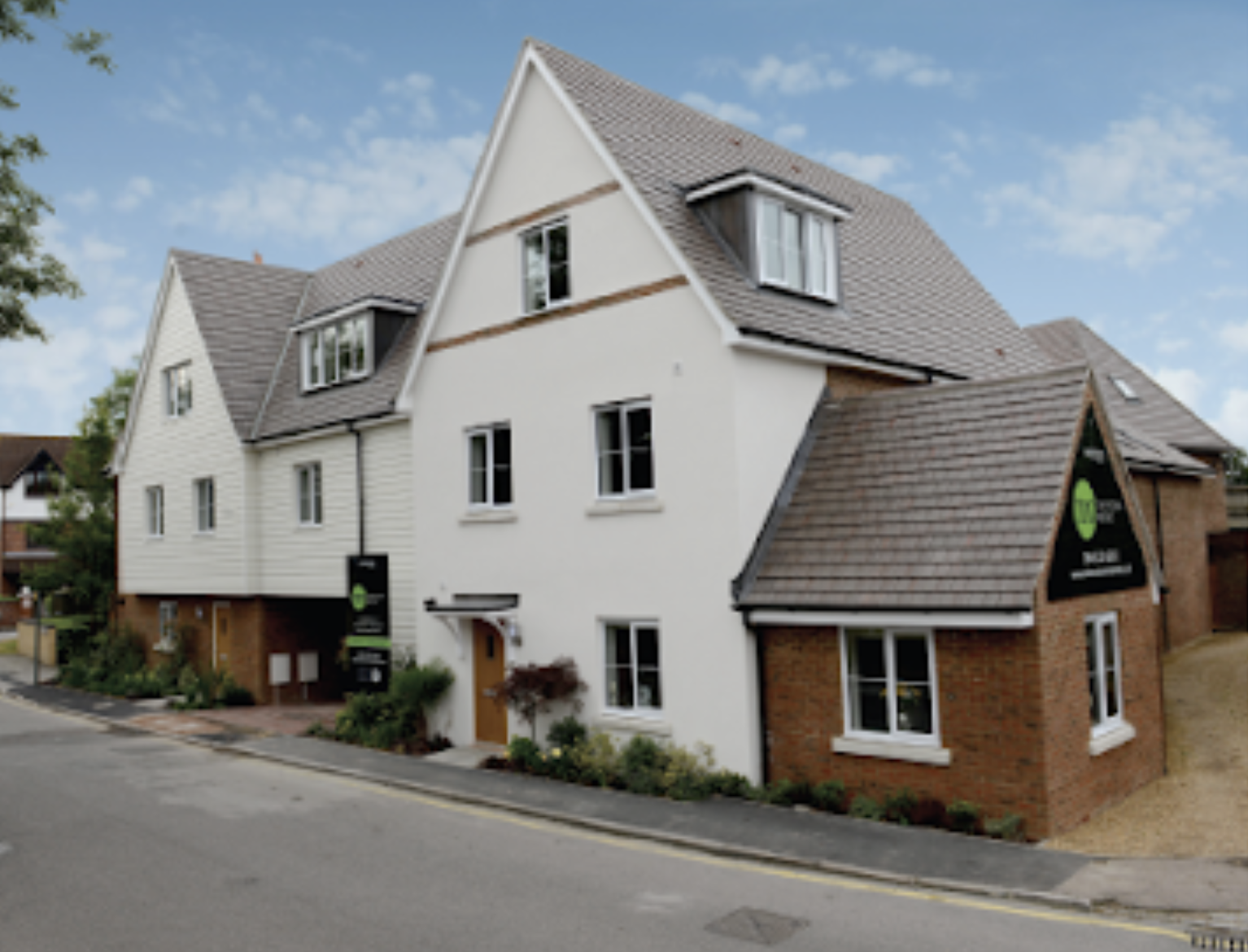
- Number of units: 10 private apartments
- Previous land use: Former Public House
- Key constraints: Change of land use
- GDV: £4m

Prioritising community ‘need’ in the land criteria
All too often developers search for land based on their own criteria. This criteria is typically set by a company’s financial constraints, housing targets and their area of operation. At no point during this initial criteria setting process is there a consideration given to community need.
We believe this inward looking spreadsheet approach to development is a fundamental flaw in the foundations of the land and planning process.
Understanding need is of critical importance to ensure that our communities and society grow in a sustainable way.”
This typical developer approach has led to village communities being fearful of what may come next as they are not part of this conversation early enough, the chance to liaise with the developer directly during this process is seldom offered.
“Village communities aren’t by and large anti-development; they just want to be consulted earlier in the process to ensure the needs and character of the village are fully respected”.
Local plans, needs surveys and engagement with the local community can help identify need and ought to form part of a developers site criteria from the outset.
In the case of housing; need comes in many forms beyond the typical two storey private dwelling house, many alternative tenure types such as bungalows, elderly care, key worker accommodation, self-build or parish priority housing are often overlooked simply because they do no conform to the developers conveyor-belt criteria.
In some instances, a combination of various tenure types, design styles and/or a new community facility may be required, it entirely depends on the unique need of each village.
Not delivering on a prioritised need basis could lead to the social and economic decline of our rural communities. It could also leave villages vulnerable to more unwelcome forms of development.

The Landiplomacy ‘mission’
To work with both the local community and landowners within well-serviced villages to find suitable small-scale infill or enabling development sites which conform to a unique and bespoke set of criteria we have established.
Among these criteria is the site’s ability to address identified, evidence-based housing need, meaning that in certain instances proposed dwellings could take the form of private housing, self-build housing, key worker accommodation, elderly accommodation or a combination of various tenure types; it entirely depends on what the available evidence base is detailed statistical analysis supports.

The Landiplomacy ‘why’
Providing housing and facilities that meet an identified need for a local community, particularly in the case of more rural communities is essential on a multitude of social and economic layers.
Working with people who share these values and applying our skills and knowledge for the greater good provides all of us at Landiplomacy with a great sense of purpose in our work.
Of equal importance to us is delivering a successful outcome for our landowner clients; creating (often) life-changing financial returns for people significantly adds to our drive and purpose.

The Landiplomacy ‘arrangement’
Dealing with us is easy, please get in touch if the specific nature of this approach is of interest to you.
We typically look to work with our landowner clients under a no win no fee land promotion or option agreement which generally work as follows:
Promotion Agreement *
- Landiplomacy fund the planning application at their own cost and risk
- Once planning is achieved, Landiplomacy receive a success fee which is usually based on a percentage of the enhanced land value or the future land sale
- Landiplomacy planning promotion costs would only be recoverable in the event planning permission is secured
- In the event planning permission is not obtained during the contracted period, Landiplomacy would incur their planning promotion costs as losses
- This type of land agreement ensures our interests are aligned. We are incentivised to optimise the land’s potential to maximise land value to mutual benefit
Option Agreement *
- Landiplomacy fund the planning application at their own cost and risk
- Once planning is achieved, Landiplomacy have the option to purchase the land for a pre agreed price
- Landiplomacy planning promotion costs would only be recoverable in the event planning permission is secured
- In the event planning permission is not obtained during the contracted period, Landiplomacy would incur their planning promotion costs as losses
- This type of land agreement ensures our interests are aligned. We are incentivised to secure planning permission at our own cost and risk.
- If landiplomacy take up the option to purchase, you have a guaranteed buyer as soon as planning permission is granted.
* These are typical examples intended to give a broad overview. The precise details of each site may vary.